ECCE ROBOT
30TH JUNE 2019
CAIO MELISSO CARLA FENDI THEATRE - SPOLETO
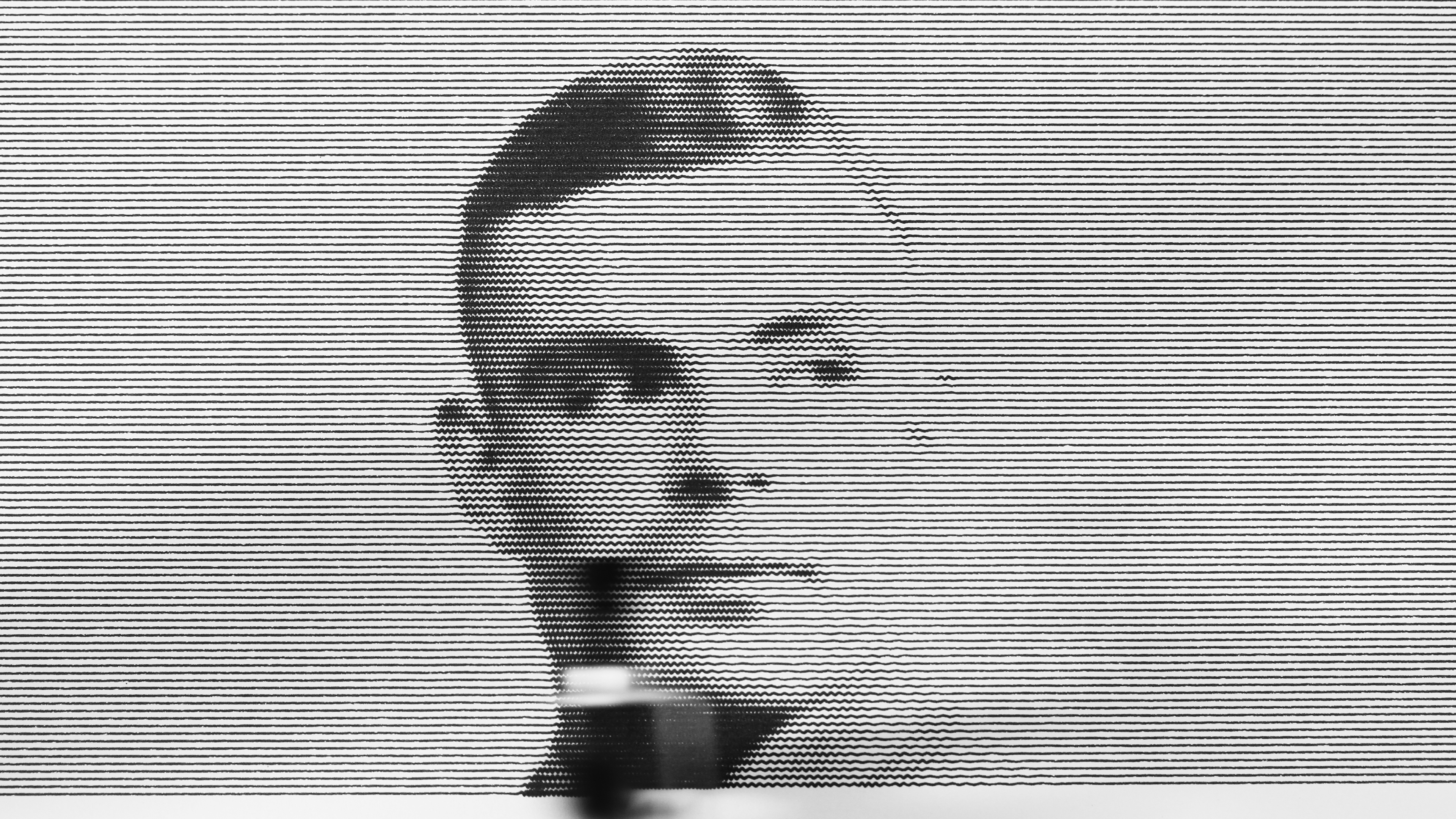
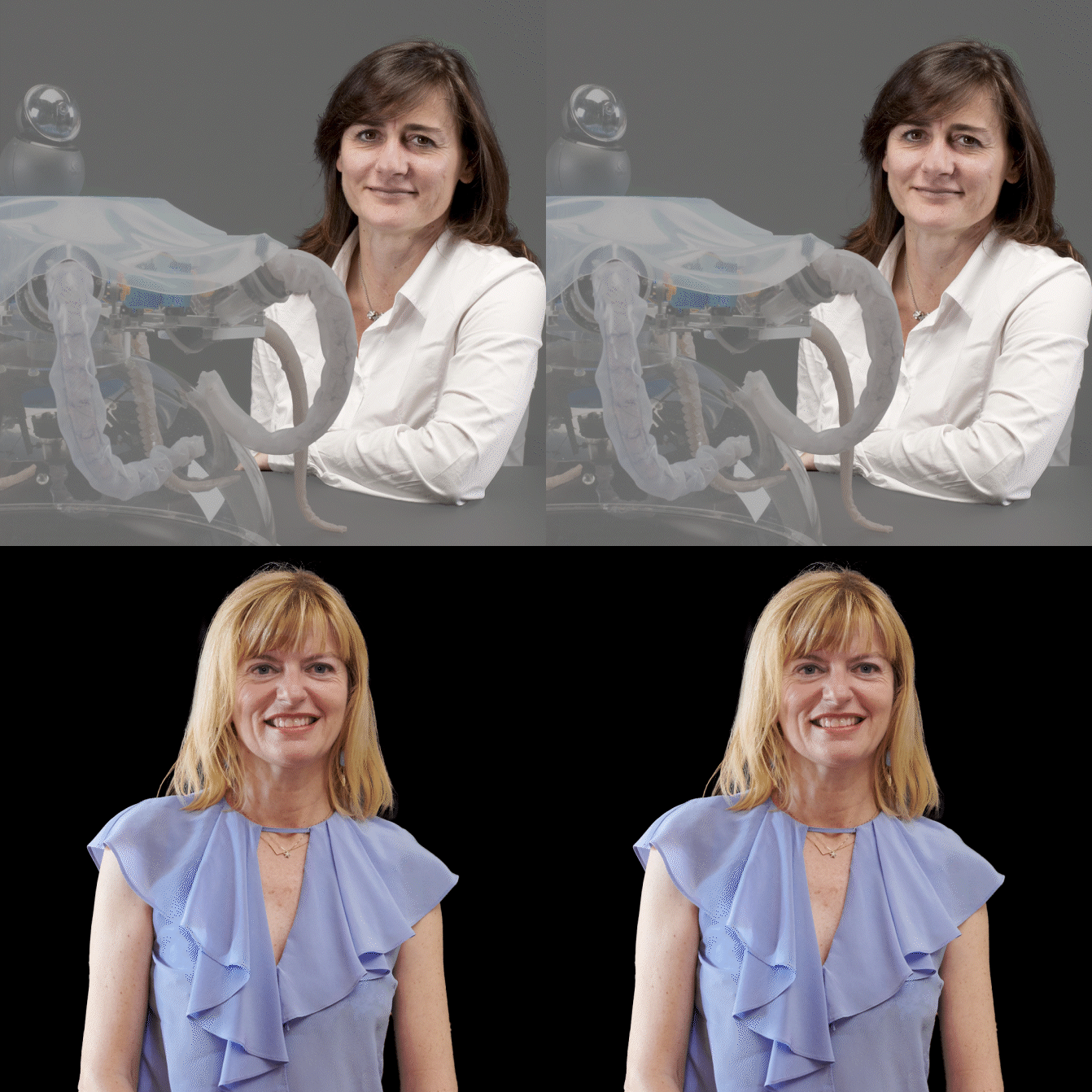
Ecce Robot by Gabriele Gianni is a short film produced by Carla Fendi Foundation, focused on Artificial Intelligence and robotics. It was screened after a series of events at Caio Melisso Carla Fendi Theatre that took on its title: a speech by Silicon Valley guru Jaron Lanier; a reading of Robot Dreams by Isaac Asimov; the video Automatica by musician Nigel Stanford. The event closed with the 2019 Carla Fendi Award to two leading Italian robotics scientists. With Ecce Robot, the Foundation further explored the relationship between science and technological innovation, venturing into the world of Artificial Intelligence and its applications in robotics. On the occasion of Spoleto62 Festival dei Due Mondi, on the stage of Teatro Caio Melisso Carla Fendi, a conversation between science and art unfolded, directed by Quirino Conti.
JARON LANIER
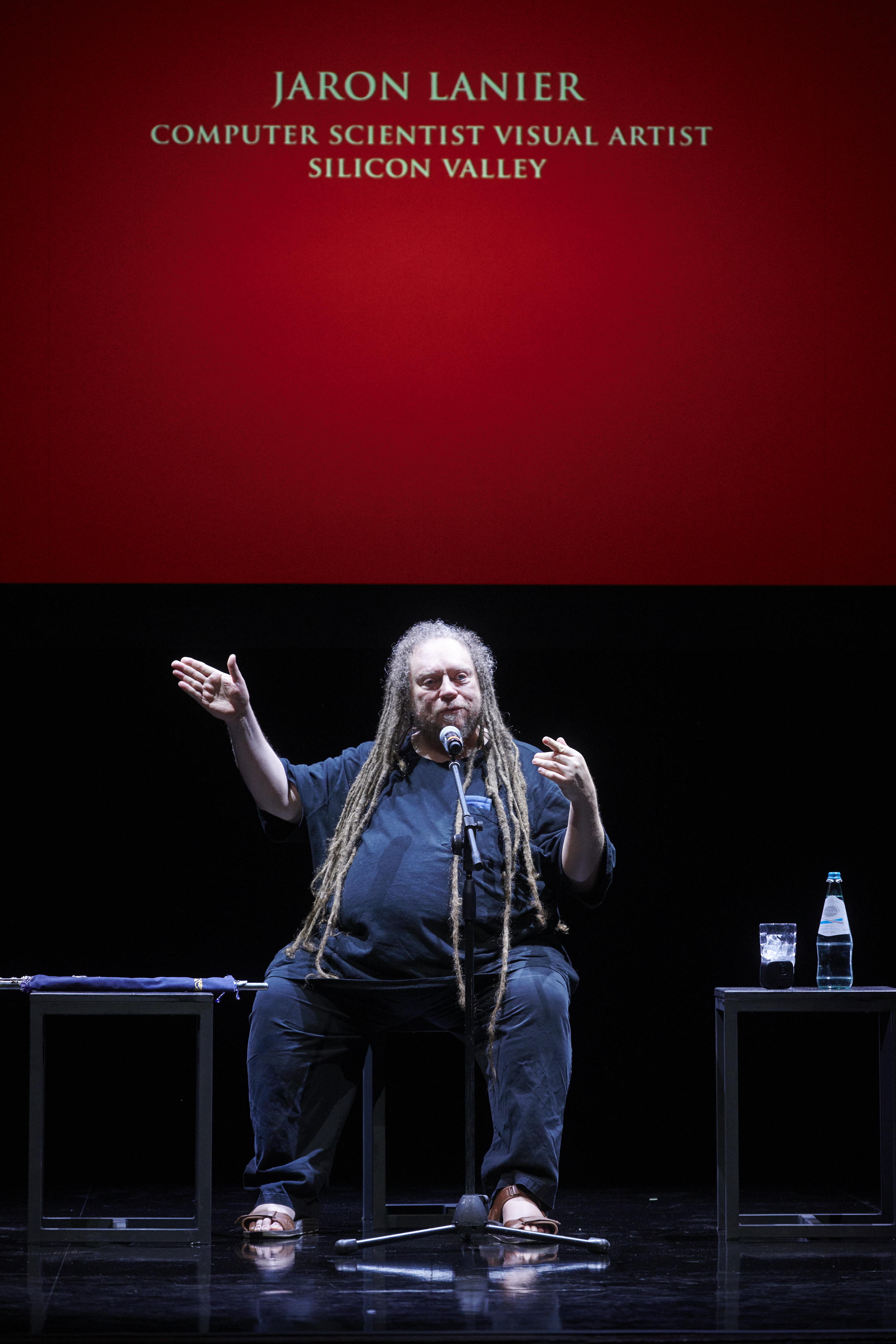
Special guest of the event was Jaron Lanier, Silicon Valley guru and “Renaissance man” of the 21st century: scientist, writer, journalist, musician, artist, and pioneer of virtual reality — a term he coined. At the forefront of digital innovation since its inception, Lanier is one of the world’s leading inventors, technologists, and intellectuals, and the author of groundbreaking books on the social impact of technology and its relationship with economics, internet politics, and the future of humanity. His books You Are Not a Gadget: A Manifesto, Dawn of the New Everything, and Ten Arguments for Deleting Your Social Media Accounts Right Now are international bestsellers. Lanier, who is also a composer and writes works of contemporary chamber and orchestral music, also performed live on stage in a musical performance.
ROBOT DREAMS
BY ISAAC ASIMOV (1920-1992)
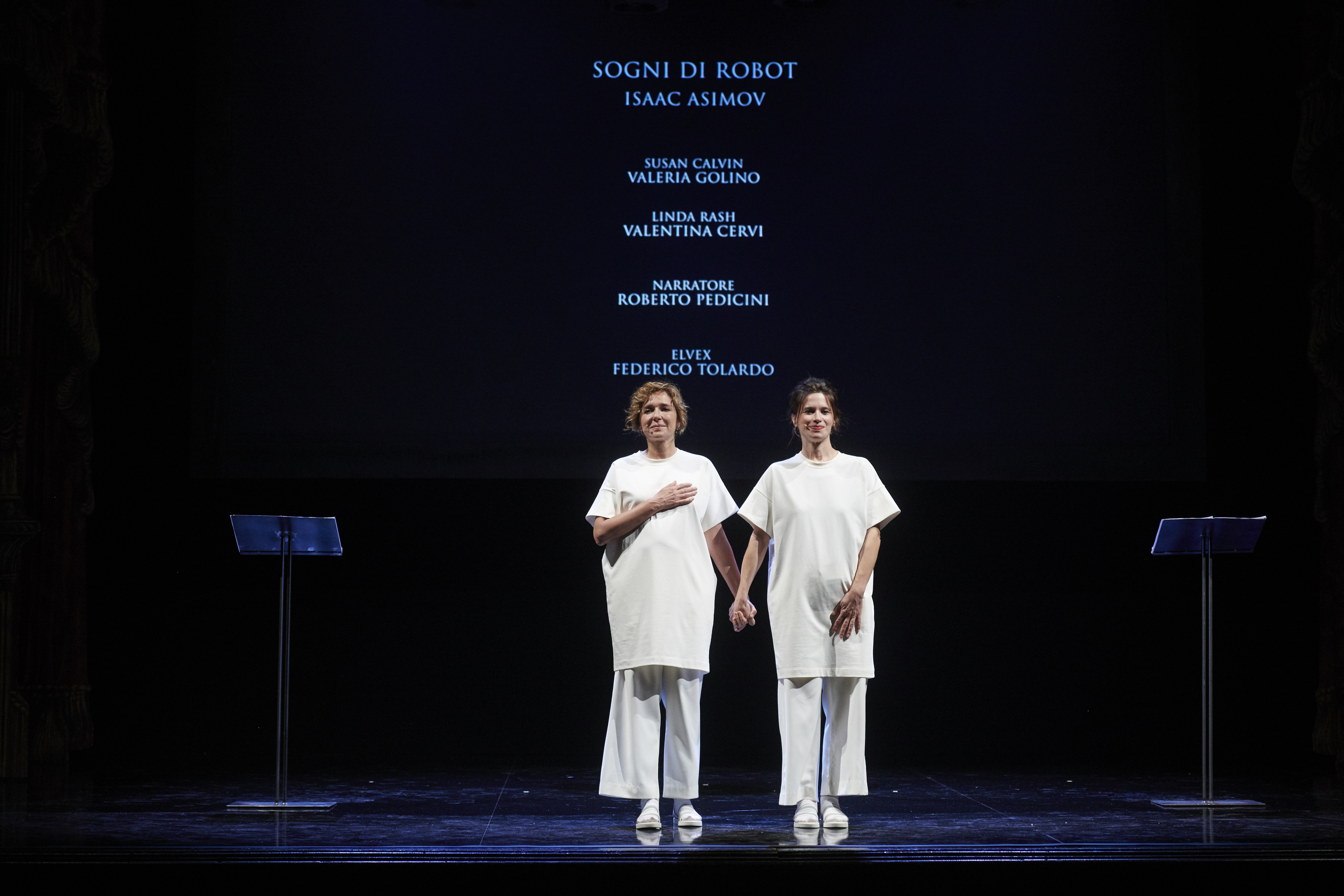
The Italian actresses Valeria Golino and Valentina Cervi read the short story Robot Dreams by Isaac Asimov, a prophet of robotics. Robots can dream too: this is how the writer Isaac Asimov (1920–1992) constructed a surprising tale about the unpredictability of Artificial Intelligence. It is the story of Elvex, the robot LVX-1 who, after a risky experiment, becomes so human that he can dream, expressing the desire of robots — slaves, chained to their work — to put an end to their duties. Manifesting an unexpected and dangerous will, Elvex’s story inevitably leads to a tragic ending. The plot of the story brings us to one of the most relevant topics related to new technologies: can Artificial Intelligence emancipate itself and become more and more similar to human intelligence? Can the robot of the future, feeding on our memory, experience emotions and feelings, live cognitive dimensions and become an Emotional Intelligence?
AUTOMATICA
BY NIGEL STANFORD
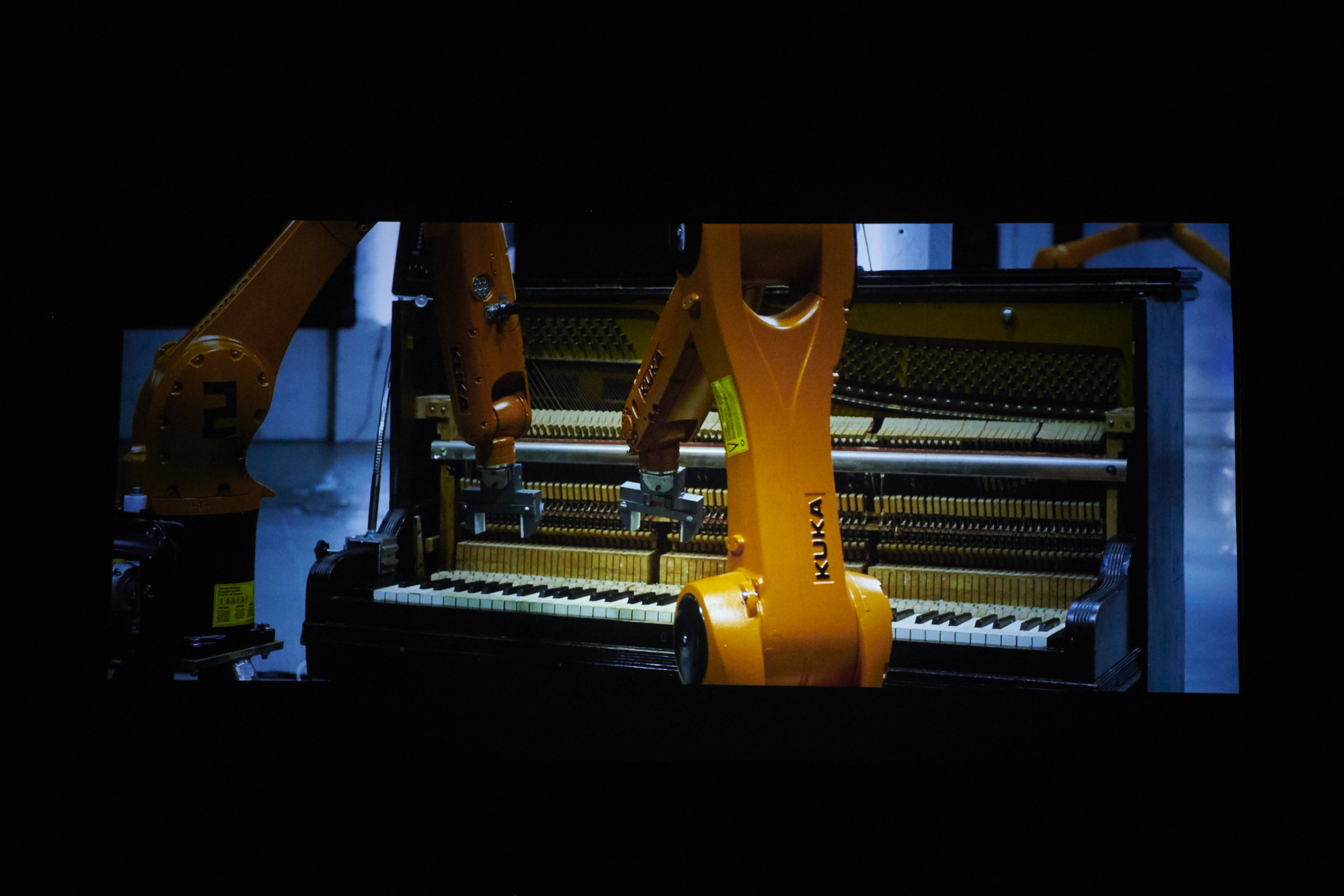
The video Automatica by New Zealand musician Nigel Stanford, presented as part of the event, is an example of AI and robotics applied to the field of music. In 2014, Stanford released the video Cymatics, which gained millions of views and won the New Zealand Music Video of the Year award. Following this huge success, Stanford began working on Automatica, in which robotic arms — like those found on automotive industry assembly lines — personally programmed by Stanford, play musical instruments and transform into an explosive, unpredictably rebellious and subversive rock band.
ECCE ROBOT- DOCUMENTARY
BY GABRIELE GIANNI
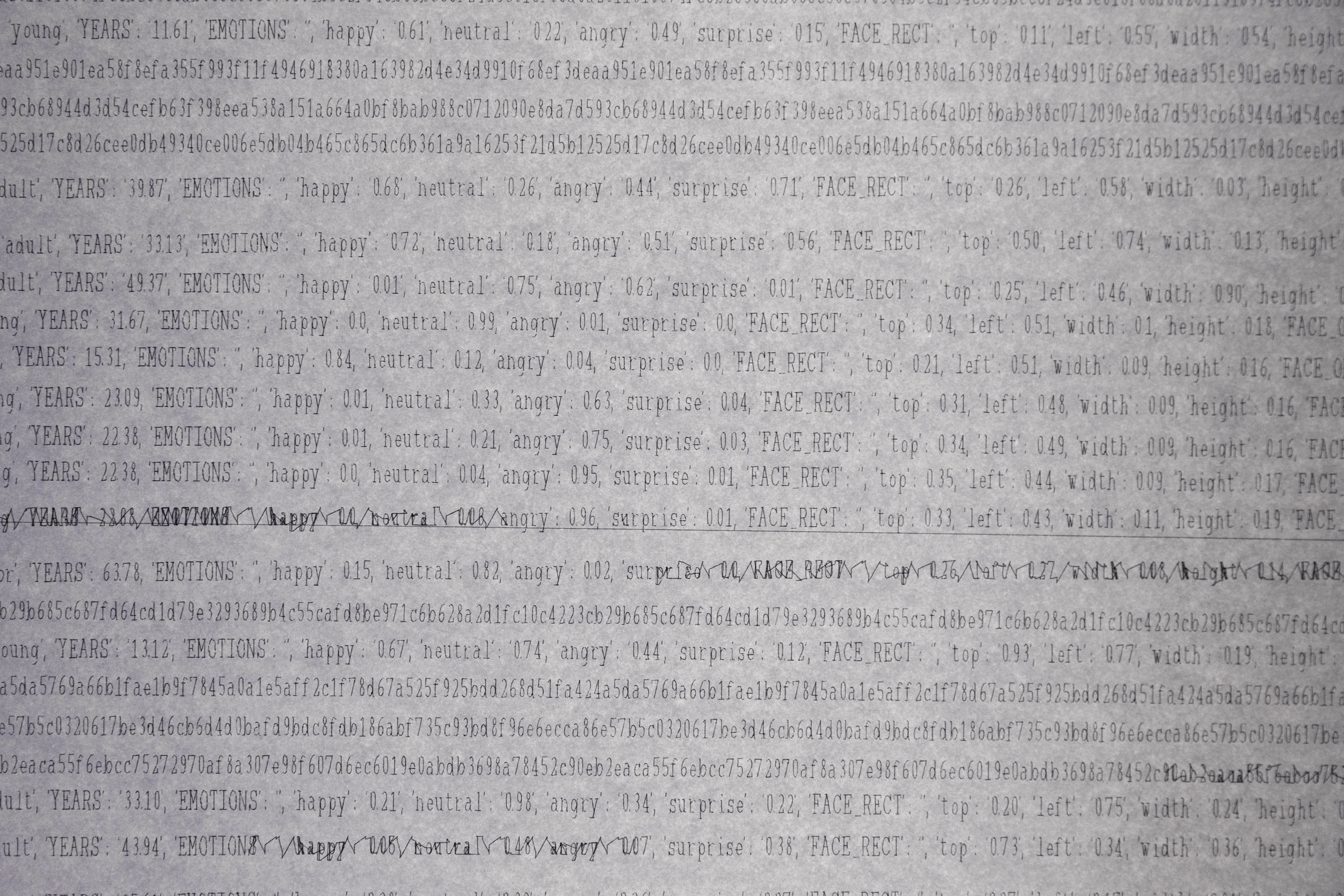
Ecce Robot is a short film by Gabriele Gianni produced by the Carla Fendi Foundation, which attempts to give voice to machines by using Artificial Intelligence as an expressive medium where both artificial and real intelligence are brought into dialogue. An encrypted conversation between two artificial intelligences, the construction of the first neural network, the distinction between a robot and a machine — these are the narrative cues of a story that begins with a simple game: a man, a woman, and a third person, the latter separated from the other two and tasked with determining, through a series of questions, who is the man and who is the woman. From here, the famous English scientist Alan Turing begins laying the groundwork for artificial intelligence, but the goal is no longer to distinguish man from woman, rather human from machine. Turing begins a dialogue with a voice created by a Machine Learning algorithm, retracing the key milestones in the history of artificial intelligence, also expressing personal thoughts and hopes, and guiding us to the threshold of a new industrial revolution in which human and machine will work side by side — and beyond.