THE WATERMILL CENTER
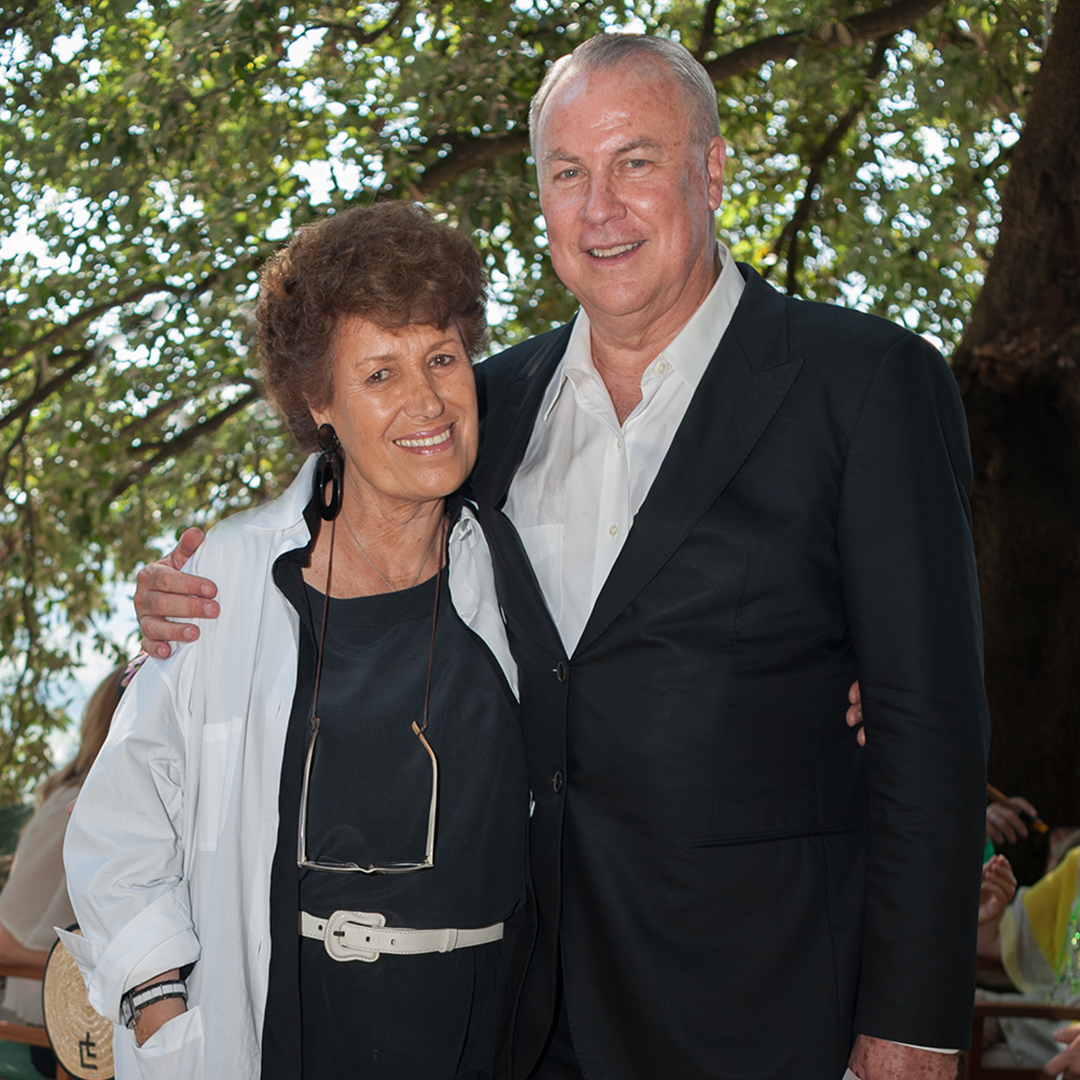
Friendship and mutual esteem linked Carla Fendi and Maria Teresa Venturini Fendi with the celebrated American artist Robert Wilson. A versatile and visionary figure — director, playwright, choreographer, performer, as well as painter, sculptor, video artist, and light and sound designer — Wilson revolutionized the world of theatre through his work across multiple art forms.Still relatively unknown at the time, he was invited by Giancarlo Menotti to the Spoleto Festival in 1974.
He would return to the Festival many times throughout his career, presenting productions consistently distinguished by an extraordinary experimental and aesthetic approach to art. His debut at the Teatro Caio Melisso — now also named in memory of Carla Fendi — was with A Letter for Queen Victoria — a radically avant-garde opera featuring minimalist staging and music, built around Christopher Knowles’s “nonsense” texts.
.jpg)

BOB WILSON AND THE SPOLETO FESTIVAL
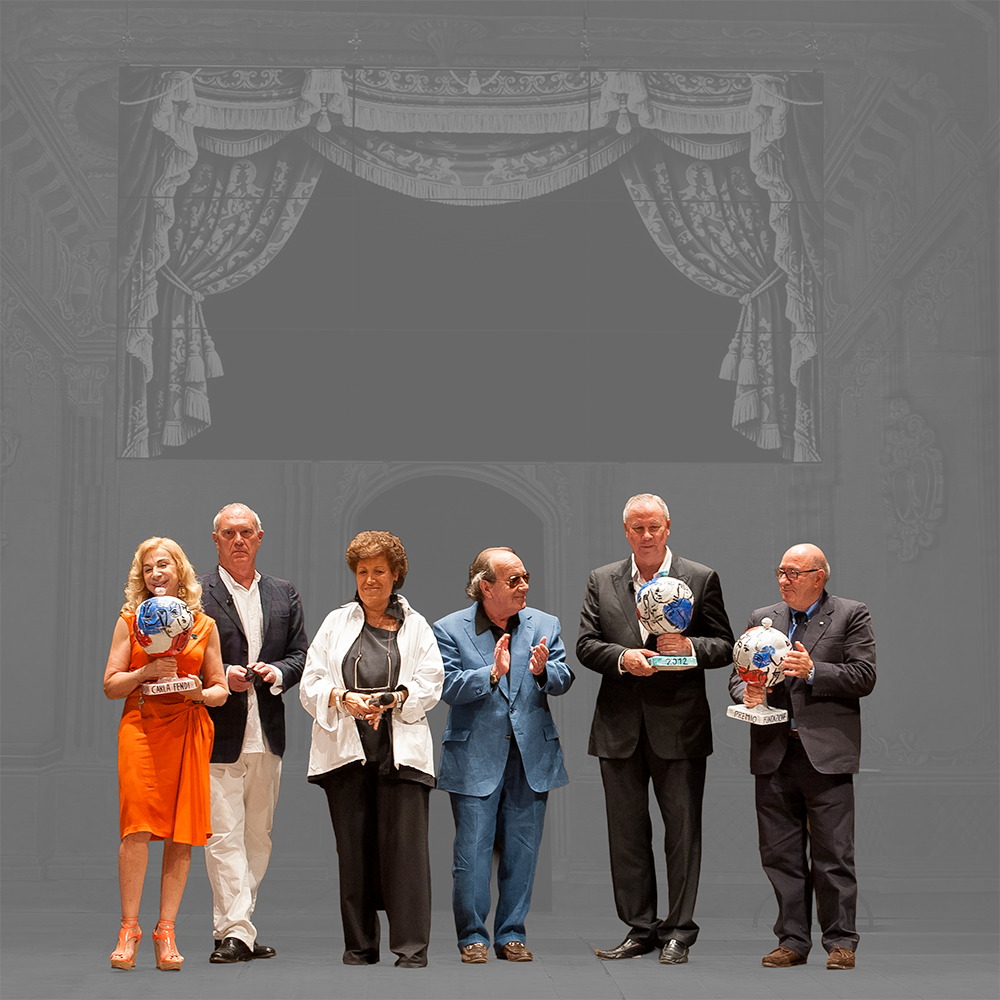
It was in Spoleto that the bond of affection and admiration between Carla Fendi and the artist first developed, leading her to present him with the 2012 Carla Fendi Award. Maria Teresa Venturini Fendi has continued this relationship by supporting, through the Foundation, Wilson’s longstanding commitment to nurturing new talent, a mission he pursued throughout his career through The Watermill Center, the hub he founded in Long Island in the early 1990s to promote performance events and offer artist residencies.
In addition to supporting initiatives to enhance and preserve the Center’s gardens on several occasions, the Foundation dedicated the 2026 Carla Fendi Award to The Watermill Center following the artist’s passing. The award was presented during a special tribute attended by the Center’s new Artistic Director, Charles Chemin, actress Isabella Rossellini, a frequent artistic collaborator of Wilson’s, and writer Antonio Monda. (photo by the Carla Fendi Foundation)
THE WATERMILL'S SPACES
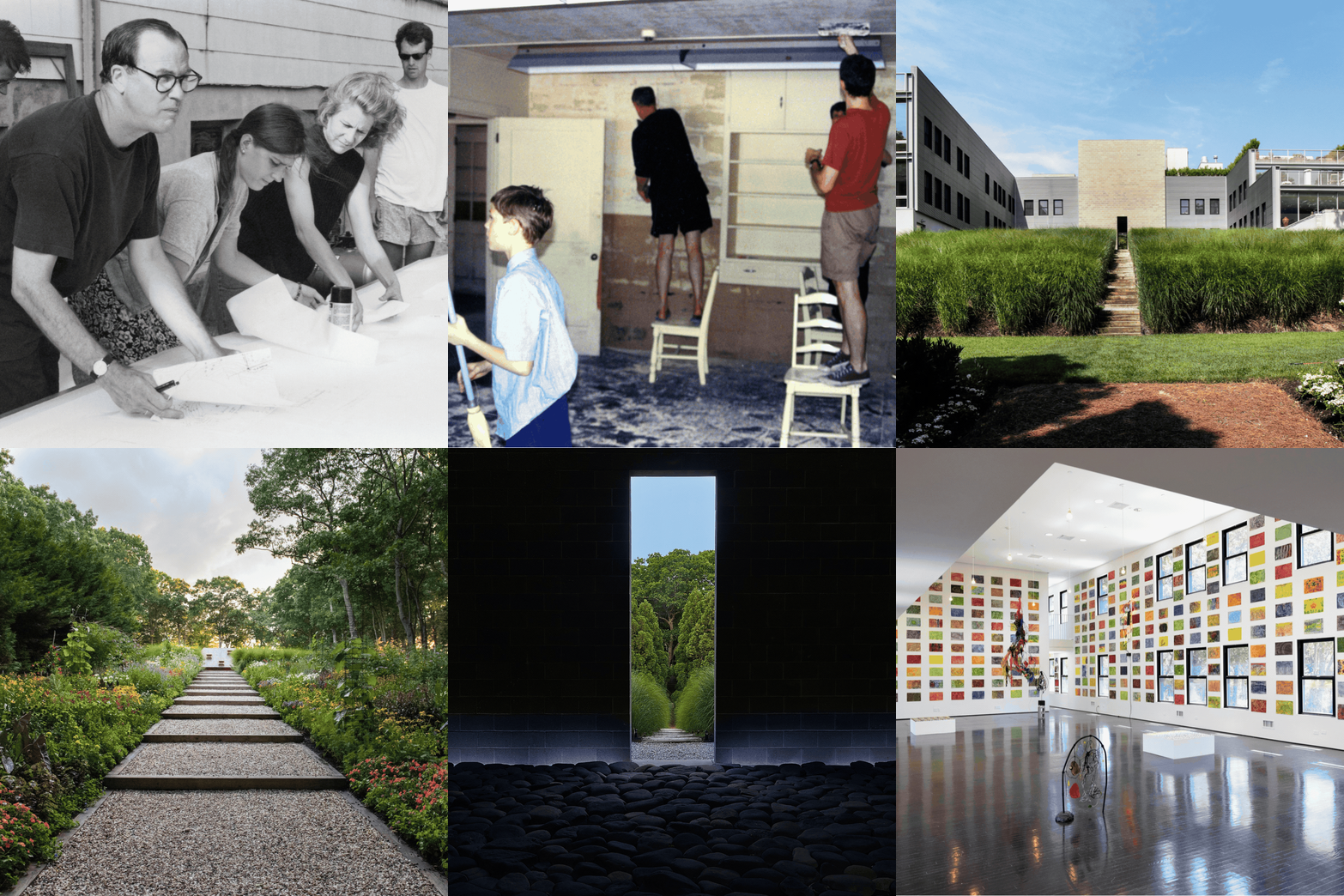
Both a home and an interdisciplinary laboratory, as well as a place of open dialogue for artists from around the world, The Watermill Center preserves Wilson’s professional and personal legacy. He acquired the original building in 1992 and renovated it over the years, often working alongside the artists who came to the Center, including Charles Chemin, who became involved in his mentor’s artistic activities at a very young age.
Today, the Center serves as an incubator for collaboration and collective work, supporting artists at different stages of their careers. It houses Wilson’s collection of more than 8,000 artworks and artifacts, a research library, studios and living spaces, and the artist’s archives. With no separation between studio and gallery, or between living and working spaces, the Center’s ten-acre grounds allow artists in residence to engage with the surrounding landscape as an integral part of their creative process. They work immersed in a natural environment of wooded areas, scenic vistas, and flowering gardens, surrounded by sculptures, cultural artifacts, and art installations.
RESIDENCES AND THE SUMMER FESTIVAL
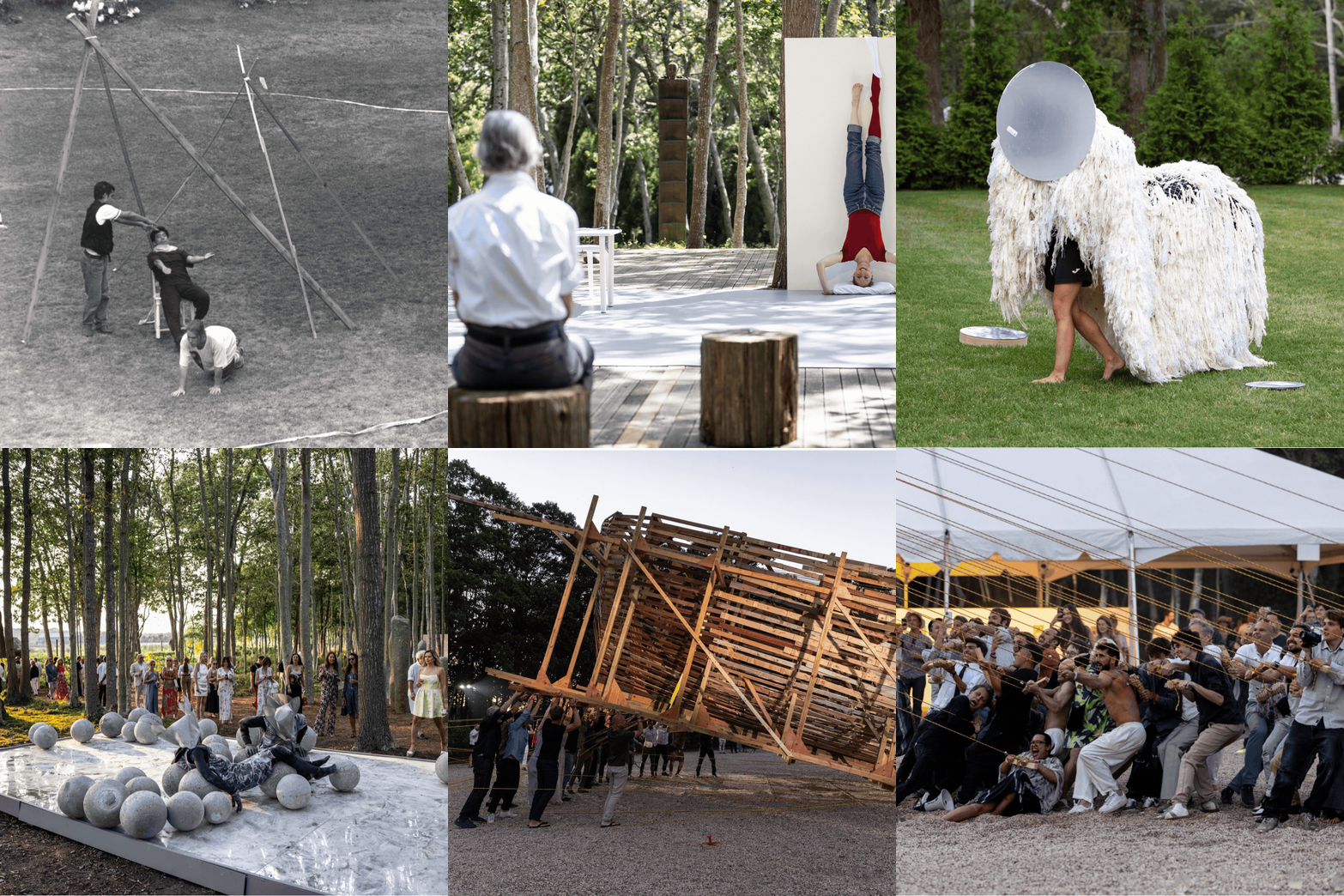
Since 2006, the Center has offered year-long artist residencies, along with a range of workshops, fellowships, and educational programs. From its earliest days, it has hosted the International Summer Program, which, in accordance with Wilson’s wishes, is now under the artistic direction of Charles Chemin.
Every year, between July and August, a diverse group of approximately 60 to 100 artists selected by the Center and coming from more than 30 countries gathers at The Watermill Center for a collective experience that is free of charge for both participating artists and members of the local community. The program invites artists to spend the entire day together, from morning until after dinner, sharing meals and developing their own projects in dialogue with fellow artists.As envisioned by Wilson and reaffirmed by Chemin, the Summer Program offers a unique opportunity for artists to cross-pollinate ideas and enrich their creative practices, while exploring performance methodologies and deepening their understanding of what it means to be a global artist. (Ph. courtesy of the Watermill Center)
 Lucie Jansch 2011 - HiRes.jpg)