SCIENCE - THE MYSTERY OF ORIGIN
1ST JULY - 15TH JULY 2018
BAPTISTERY OF THE MANNA D'ORO - SPOLETO
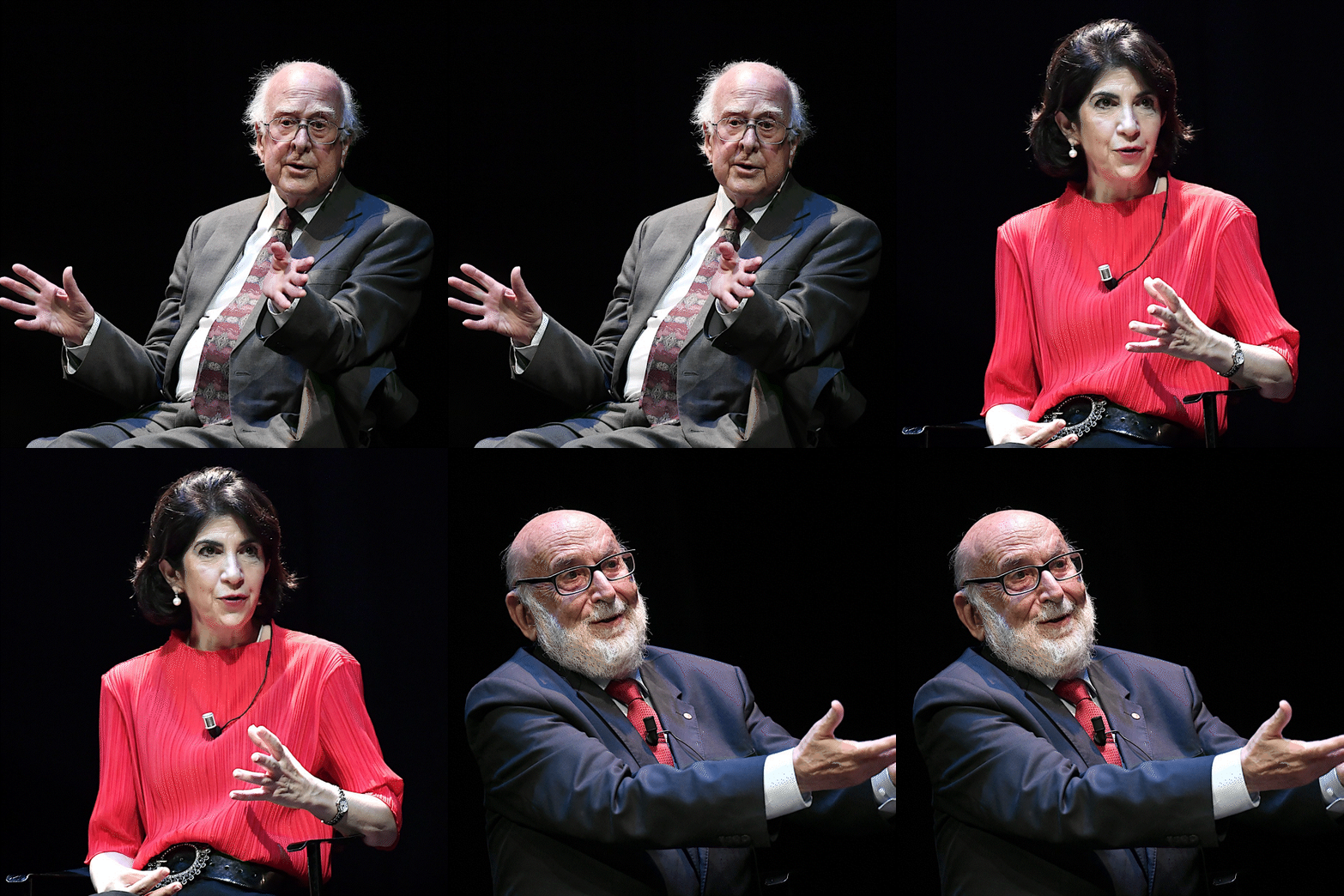
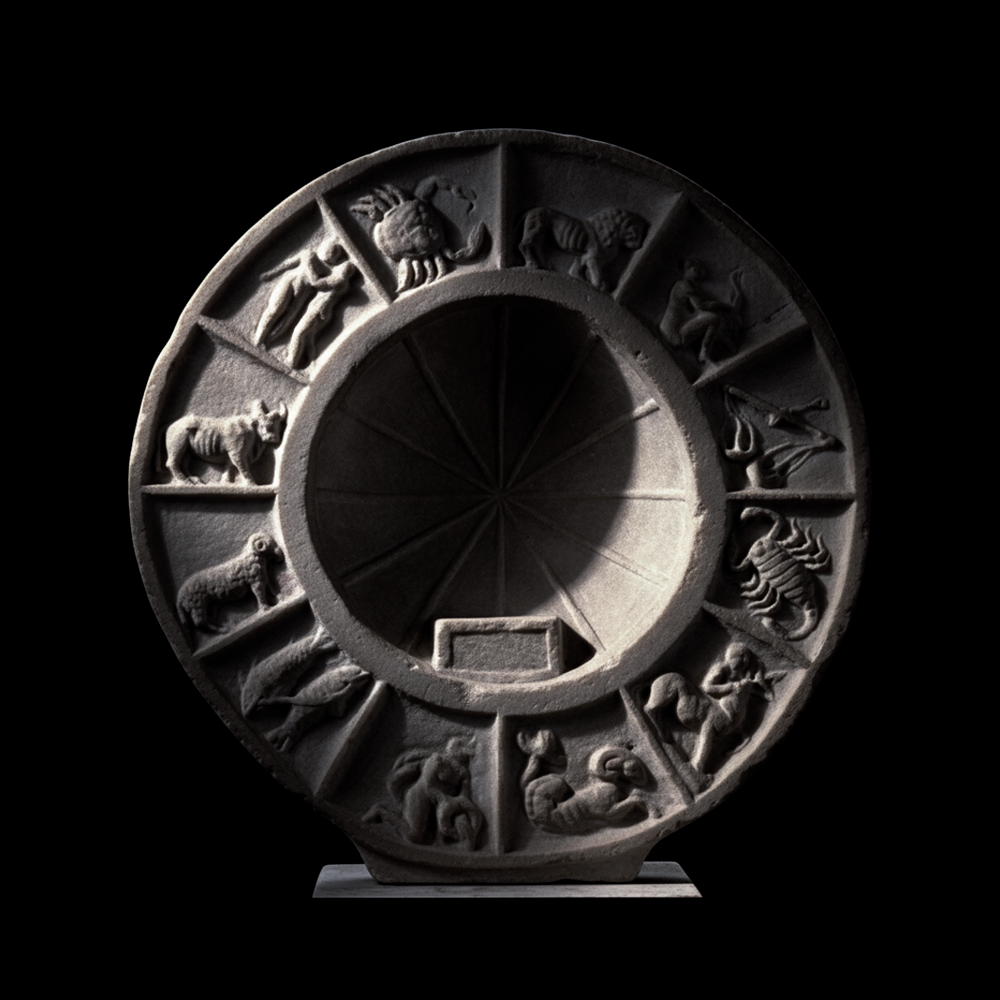
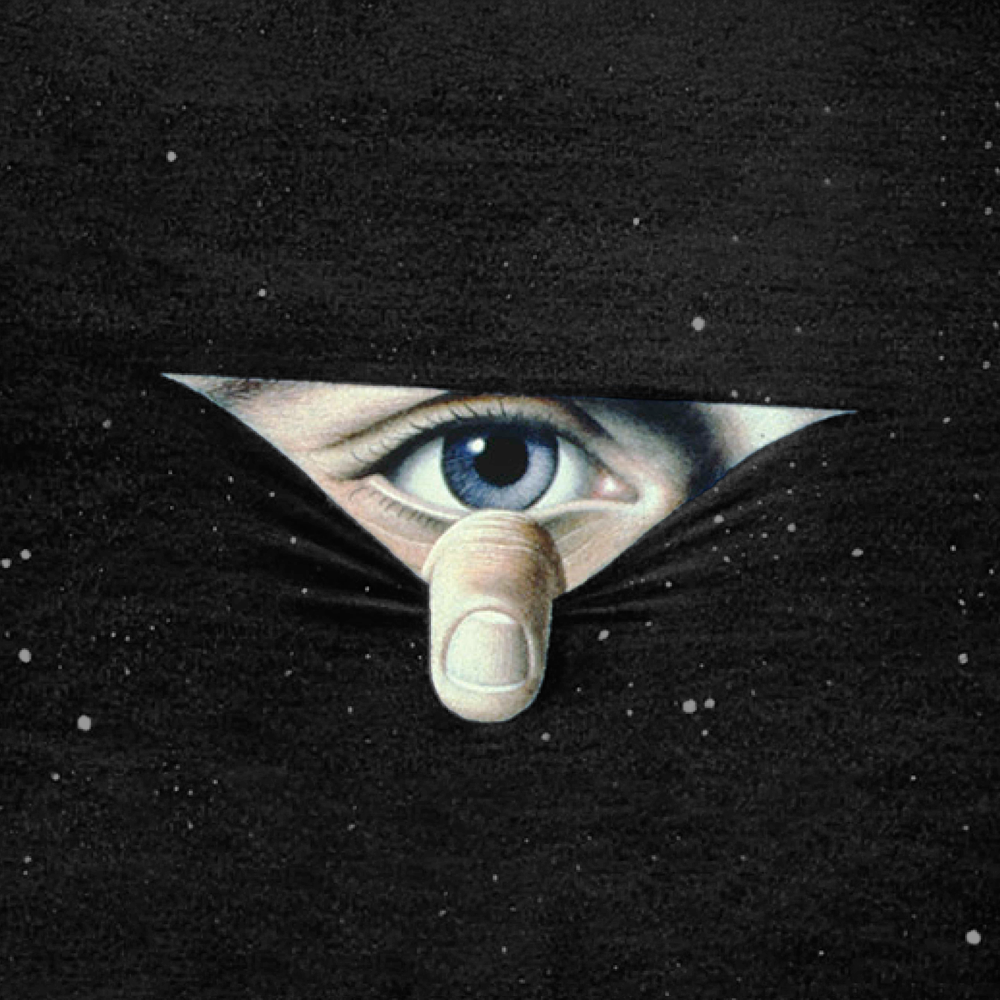
Science – The Mystery of Origin is an installation of a scientific nature, developed by Studio Lucas – in the former Baptistery of the Manna d’Oro. "Art and science are not separate realms". To borrow the words of Fernando Ferroni, President of the National Institute for Nuclear Physics, the installation represents a synthesis of the synergy that can emerge between these two expressions of the human intellect. Visitors—surrounded by projected images, at times metaphorical and artistic, at others generated by scientific instruments — are guided on a journey through the history of our universe, from the Big Bang to the present day. Everything began, Professor Ferroni explains, when human beings first raised their eyes to the sky in wonder. From there, we started breaking matter into smaller fragments to understand its composition and structure — initially with the naked eye and bare hands, later through more sophisticated instruments.
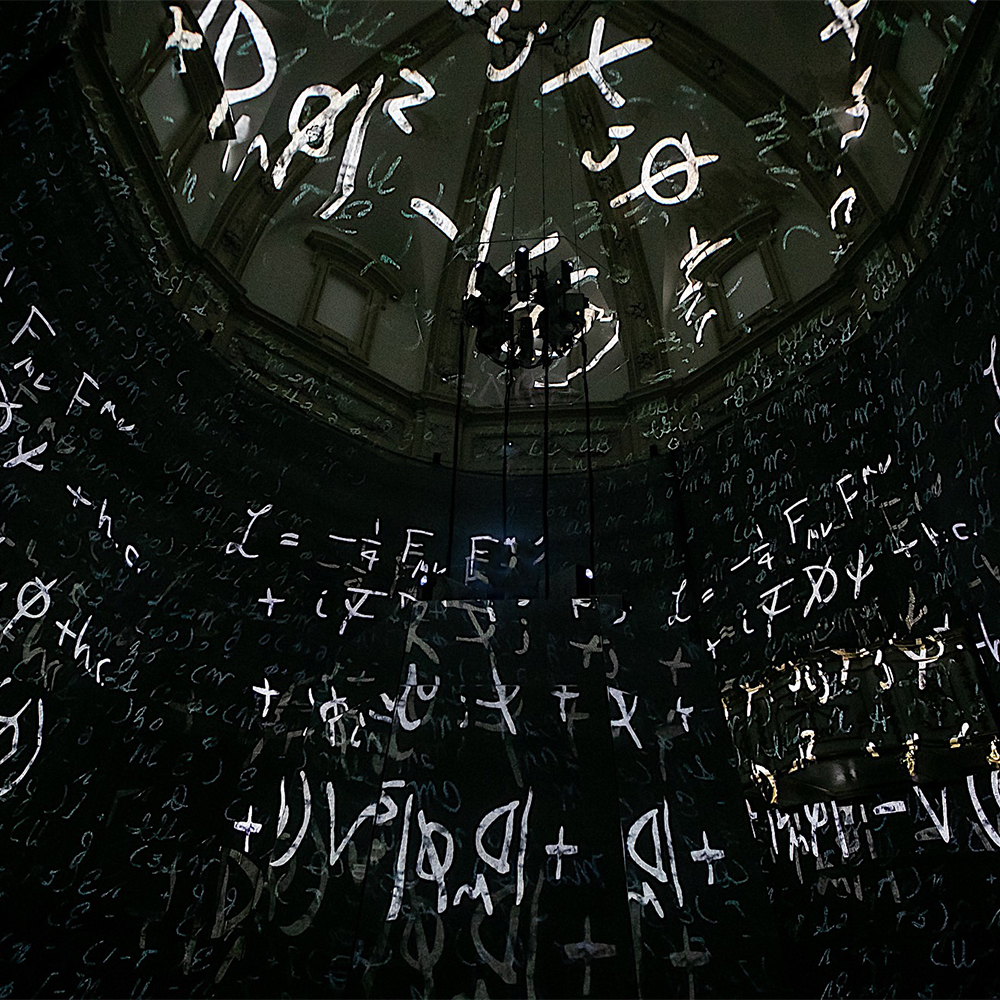
In a backward quantification of time, beyond our direct perception, the vault of the Baptistery recreates the earliest moments of creation: fundamental particles, atoms and stars, cosmic radiation, dark matter, the formation of galaxies, black holes, gravitational waves, the birth of the solar system, the Earth, and our parent star, the Sun. Through a kind of temporal close-up — via particle accelerations and collisions — the narrative reaches the most recent physics experiments developed within the laboratories of CERN, the world’s leading research institution in particle physics. A story spanning 14 billion years, reconstructed through humanity’s relentless effort to observe
both the infinitely vast depths of the cosmos and the infinitely small structure of the matter that constitutes everything we know. Today, we probe the mysteries of the universe using telescopes and detectors in space, on the Earth’s surface, beneath mountains, and under the sea, in the planet’s most extreme environments. And yet, we must reckon with the fact that we know only a very small fraction of the universe — just 4%. Still, the drive to understand its nature remains immense. When scientists pursue research in the hope of discovering the unforeseen, nothing is more thrilling and inspiring than encountering the unexpected. In science, as in art.