
CERN SCIENCE GATEAWAY
GENEVE, SWITZERLAND
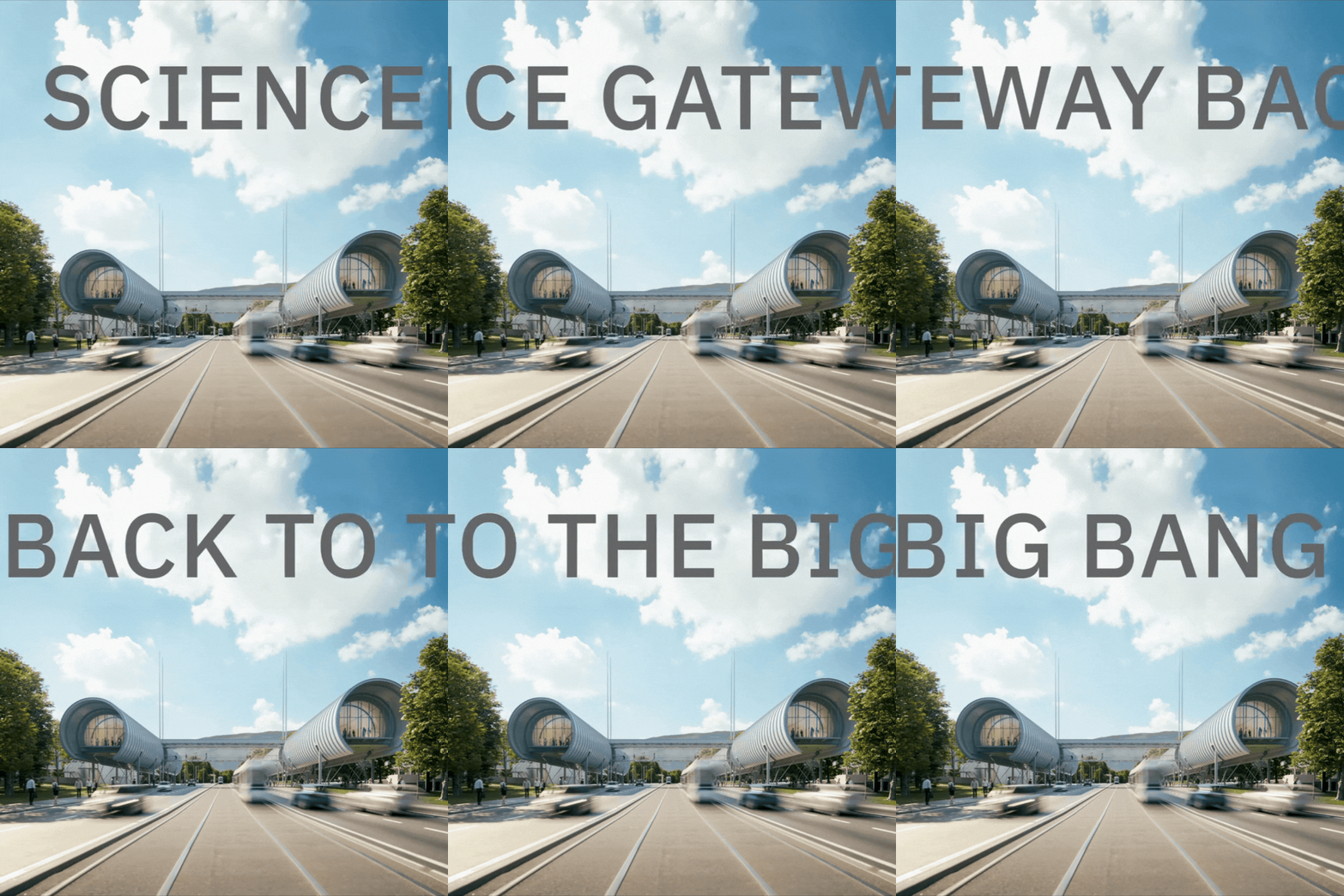
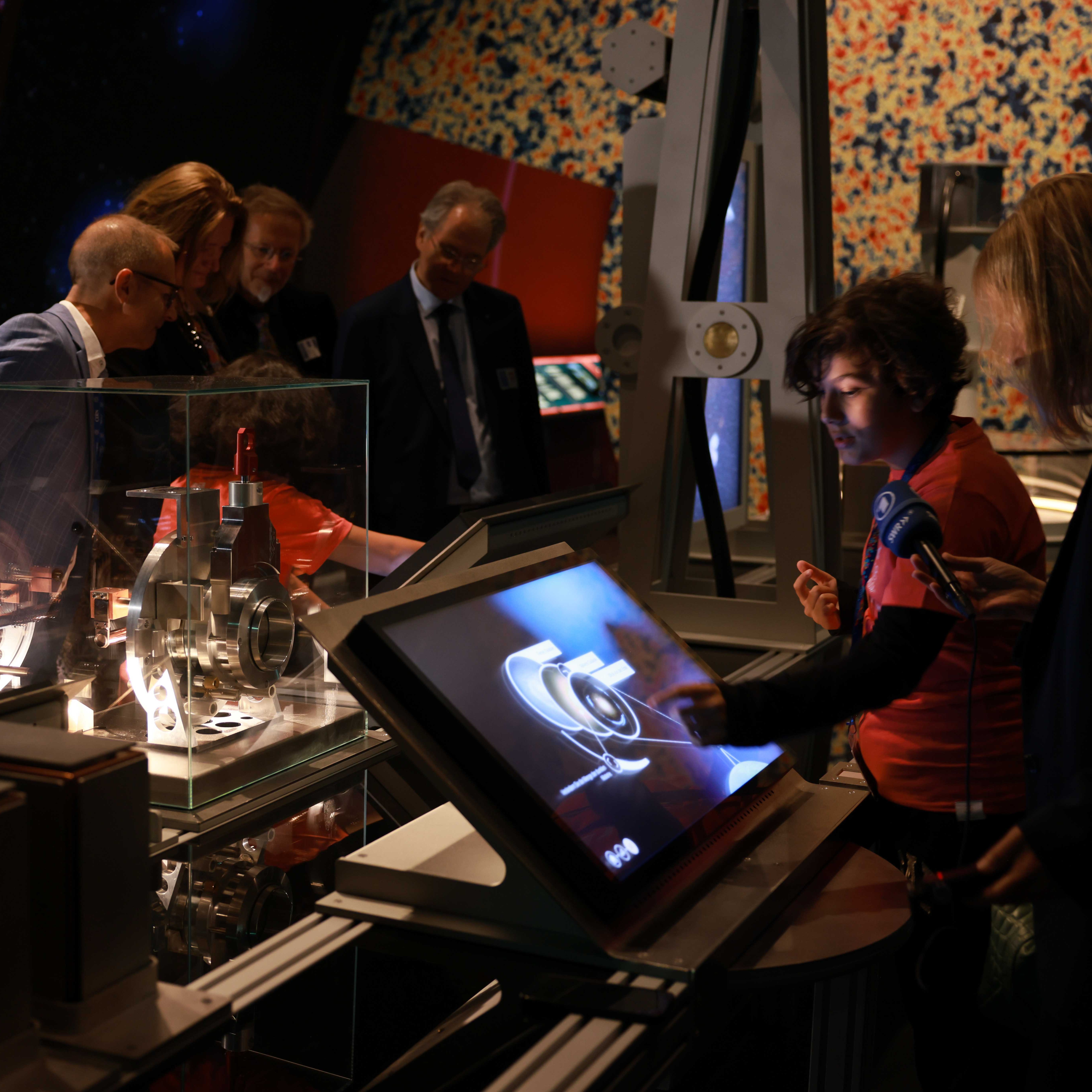
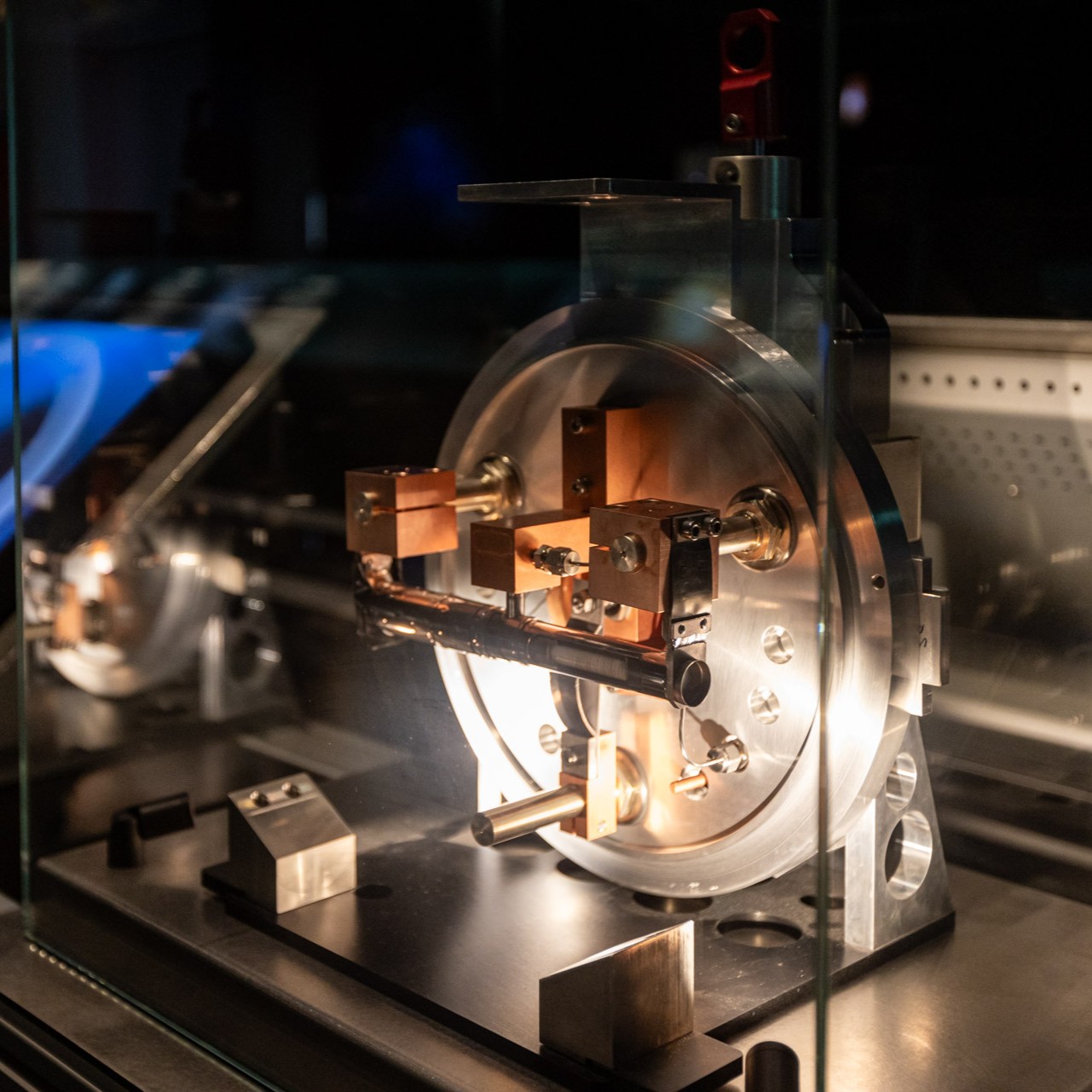
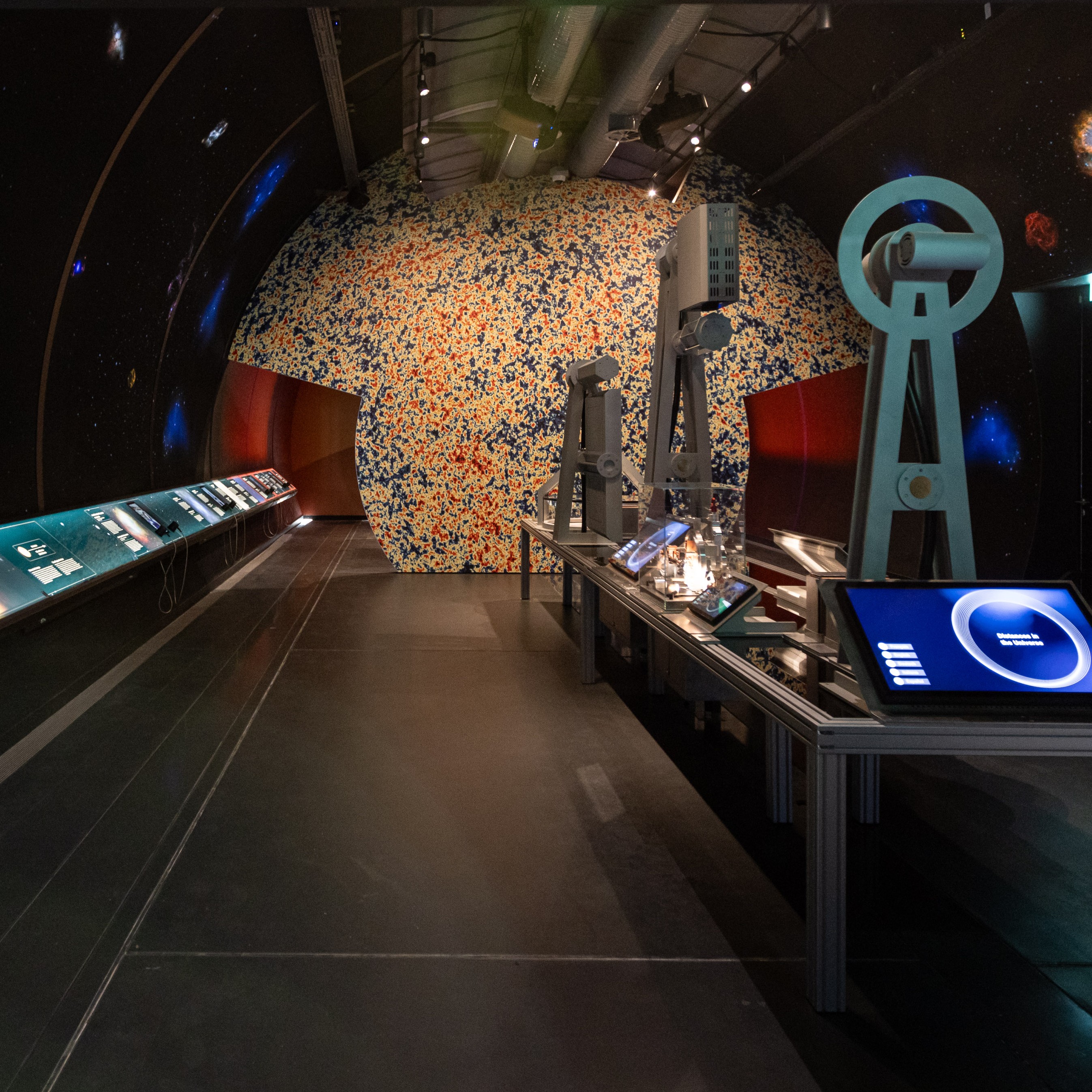
The Carla Fendi Foundation’s support for CERN’s new Science Gateway, designed by Renzo Piano, focused on funding the entire pavilion dedicated to exploring the universe, Back to the Big Bang. This project is the result of a significant collaborative partnership aimed at making science accessible to people of all ages and backgrounds. CERN, the European Organization for Nuclear Research, is a laboratory dedicated to particle physics and one of the world’s leading centers for scientific research. It is also a place where new generations of physicists, engineers, and technicians are trained, bringing people together around scientific discovery and the value of science.
Founded in 1954 in the aftermath of World War II, CERN was the vision of a group of forward-thinking Europeans, including the Italian physicist Edoardo Amaldi. Its mission was to advance scientific knowledge while also contributing to Europe’s social and cultural rebirth.
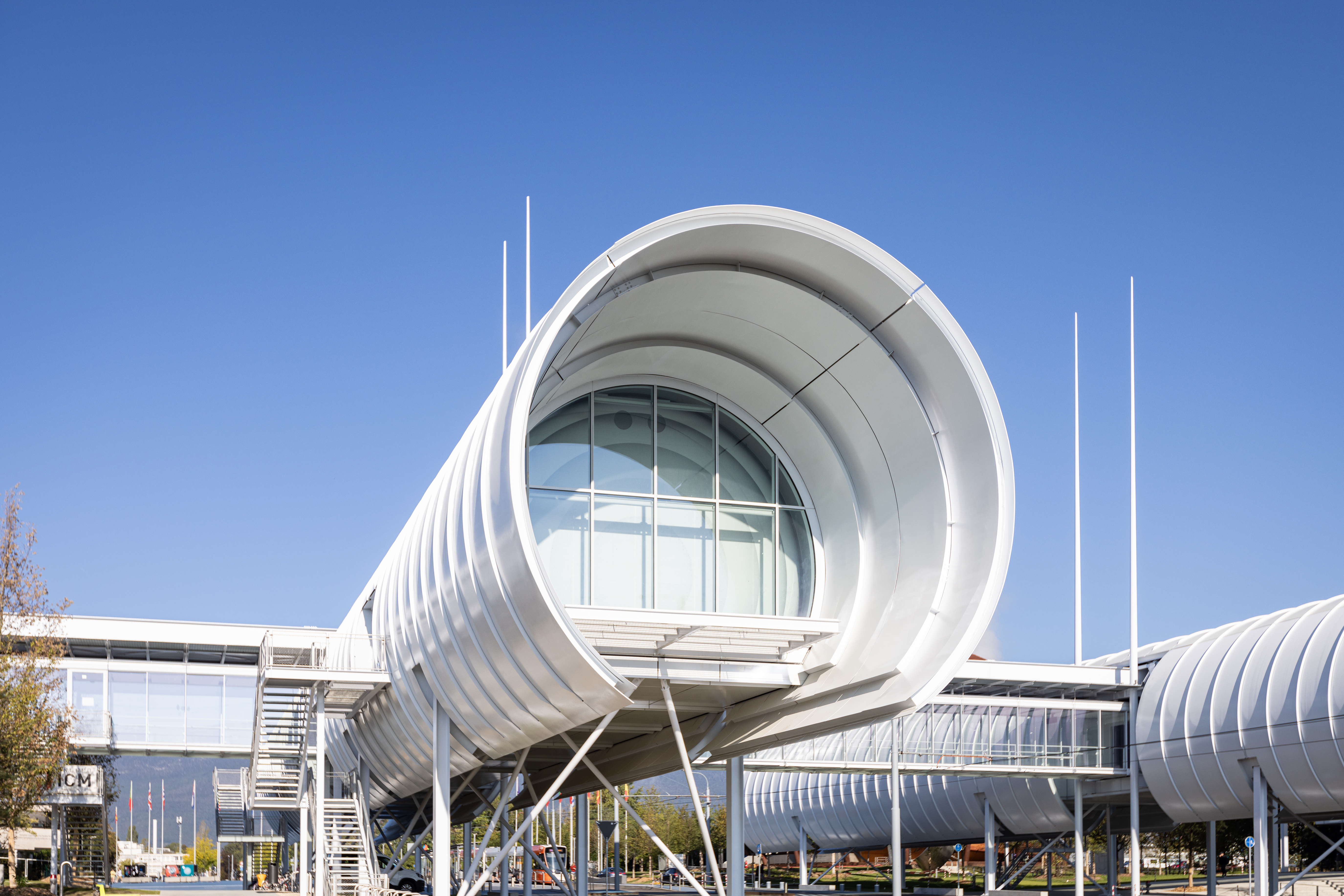
Its headquarters are located on the Franco-Swiss border near Geneva, and it offers a unique range of particle-acceleration facilities that enable the most advanced research into the smallest constituents of matter — elementary particles that make up everything we see in the universe.
CERN operates according to an open-source approach, aiming to share the results of its experiments with scientists around the world. It was precisely to enable the efficient exchange of data among researchers that the World Wide Web was created at CERN in 1989.
Over time, various exhibition spaces have been set up at CERN to support scientific knowledge, showcasing its experiments and objectives. Today, the innovative Science Gateway represents a significant development in expanding CERN’s outreach activities, bringing people closer to science. Welcoming more than 350,000 visitors a year from all over the world, the facility offers free access to the public. CERN is conceived as a place of cooperation, meeting, and discussion in the name of science, where people from countries at war with one another work side by side, and where the boundaries of technology and scientific research are pushed forward for the benefit of all humanity.
.jpg)
Photos 3-4-7 by Cern